18/09/26 : WHO IS FRED BROSSET – NICKNAME “RIGID MAN”- RIDER OF A TRIUMPH RIGID? / Chi è Fred Brosset – soprannome Rigid Man – pilota di una Triumph Rigid?
We have often noted how the technical sophistication of modern motorcycles has raised the bar for what is possible, while simultaneously narrowing the pool of riders capable of truly mastering them.
In contrast, the vintage trial scene offers a much more accessible approach; it relies more on simple body positioning than on the immense physical exertion required to muscle the bike around or “hop” the rear wheel between obstacles.
An increasing number of riders are switching to vintage trials—regardless of whether the bikes have been extensively modernized with replaced mechanical parts (often invisible to scrutineers) or blatant upgrades like new forks, shock absorbers, and modified frames.
Those who seek out these competitions do so primarily to find more room to bend through the sections and to tackle obstacles without relying on the techniques that have evolved in the modern era.
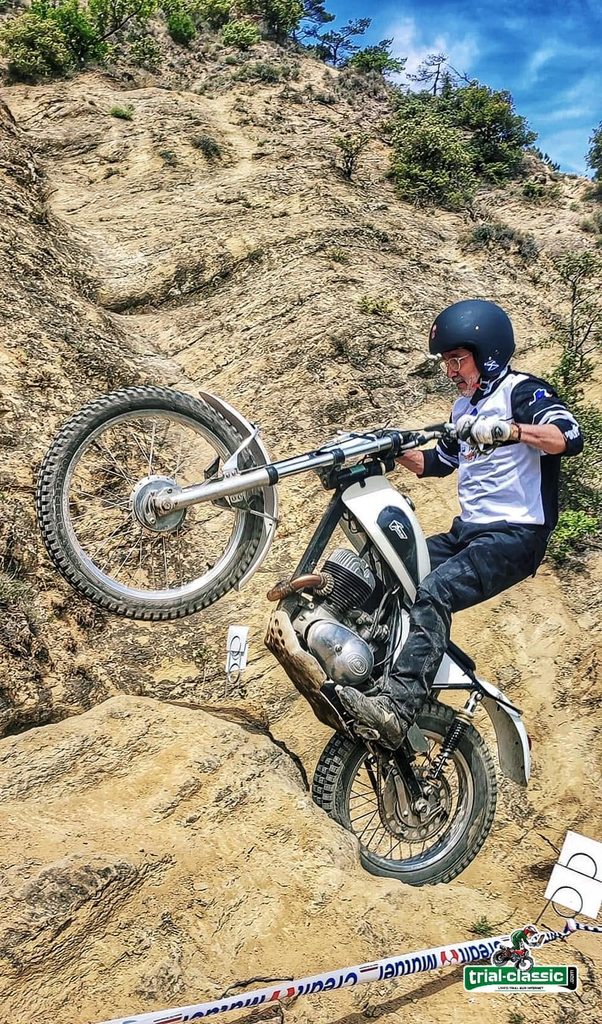
Some go even further back to the sport’s very origins—to the days before rear suspension, riding what are known in the jargon as “rigid” bikes.
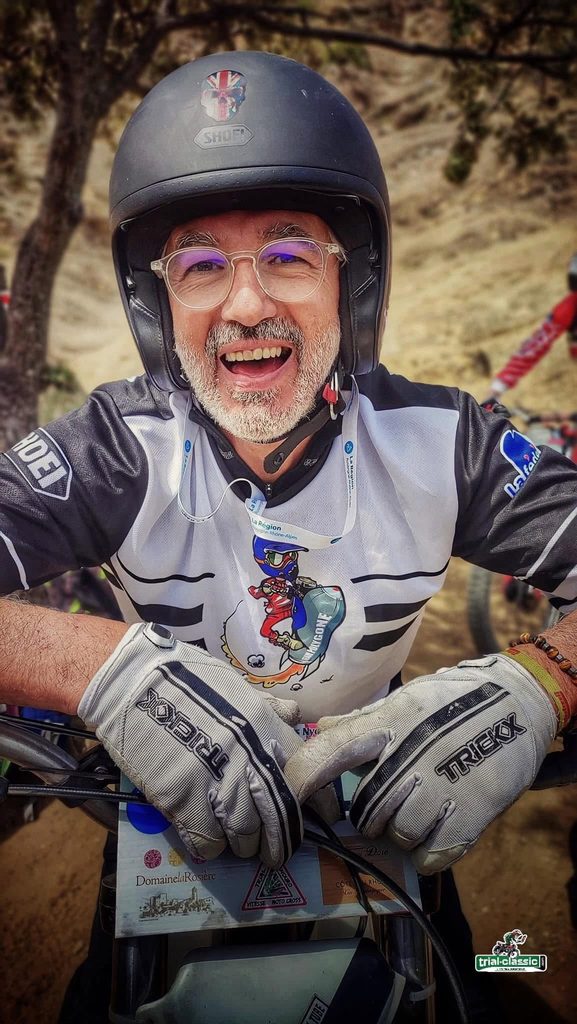
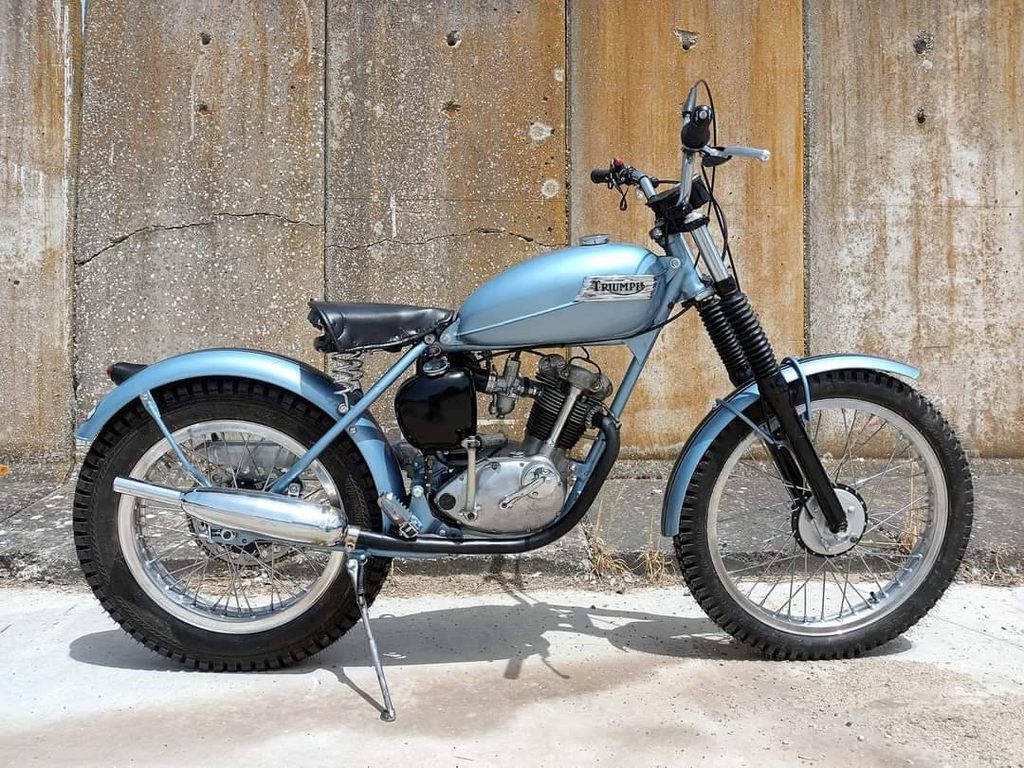
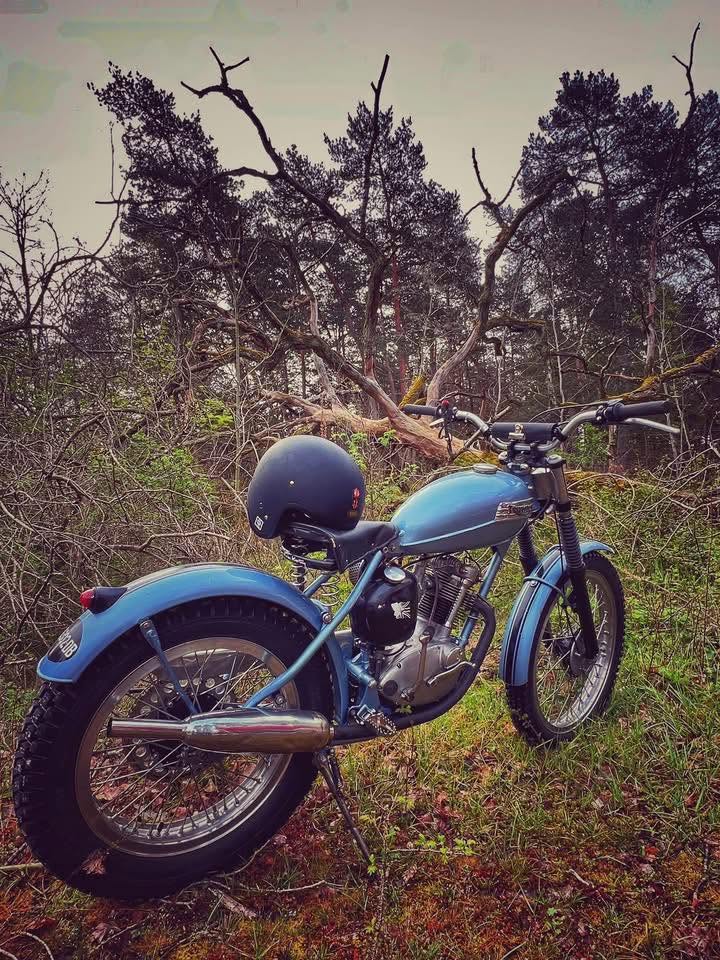
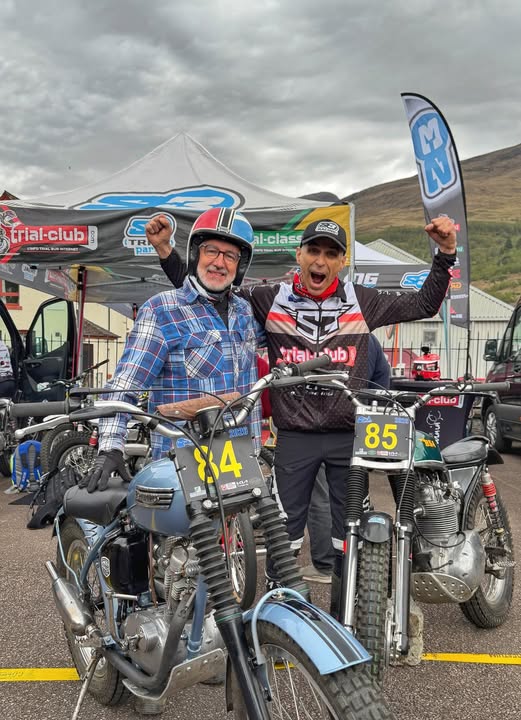
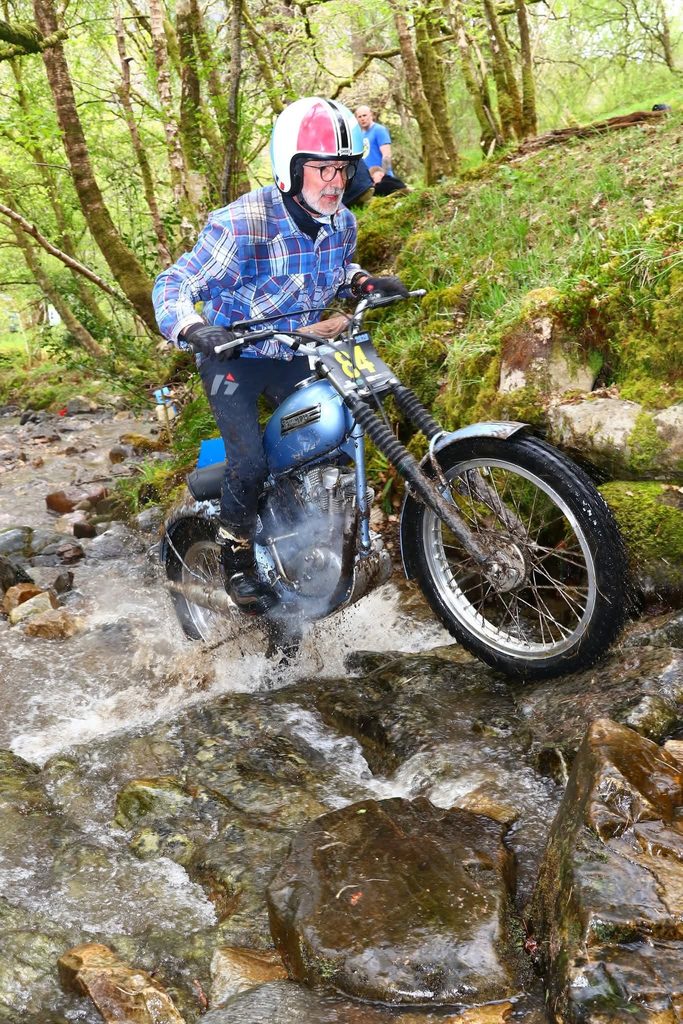
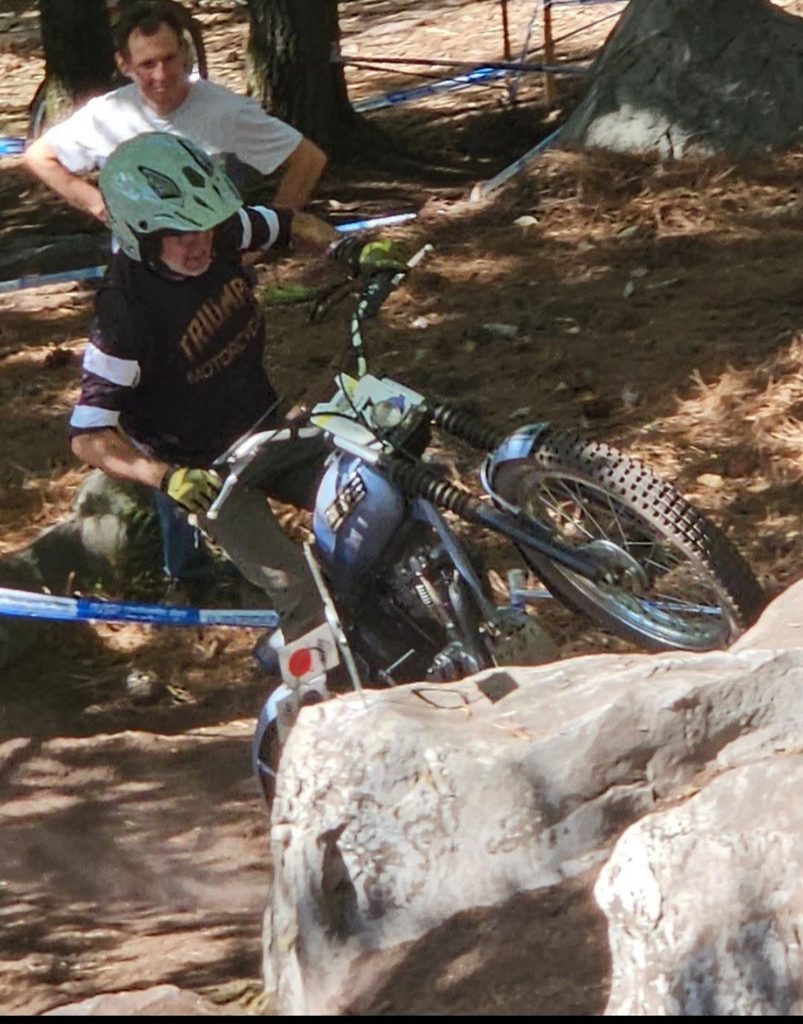
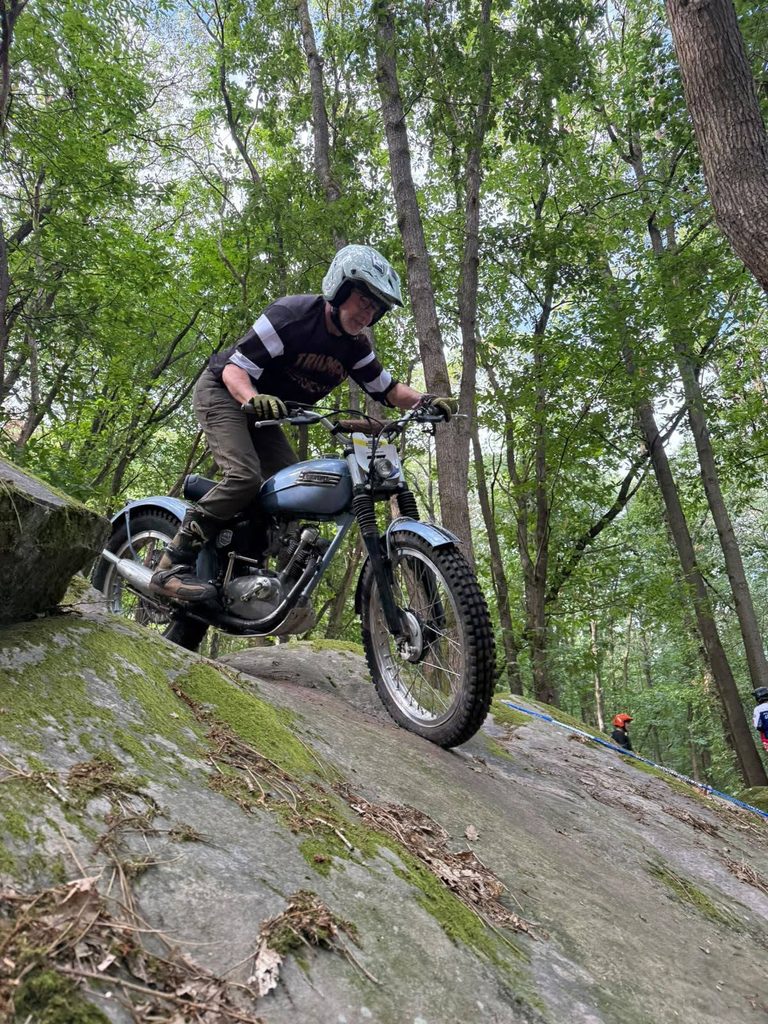
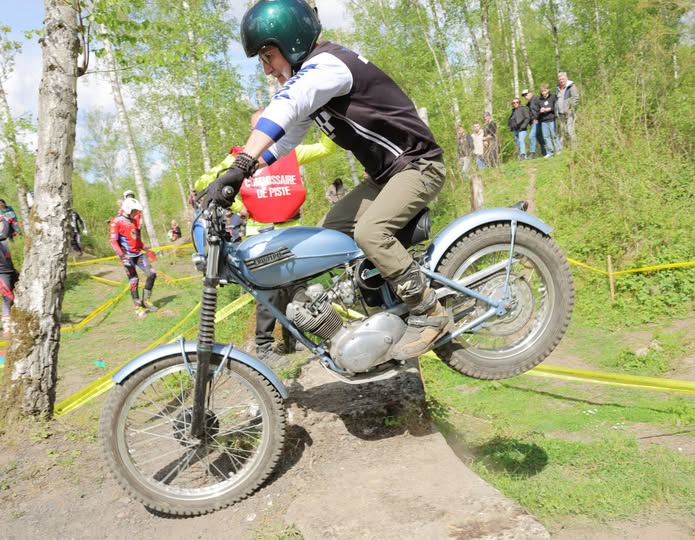
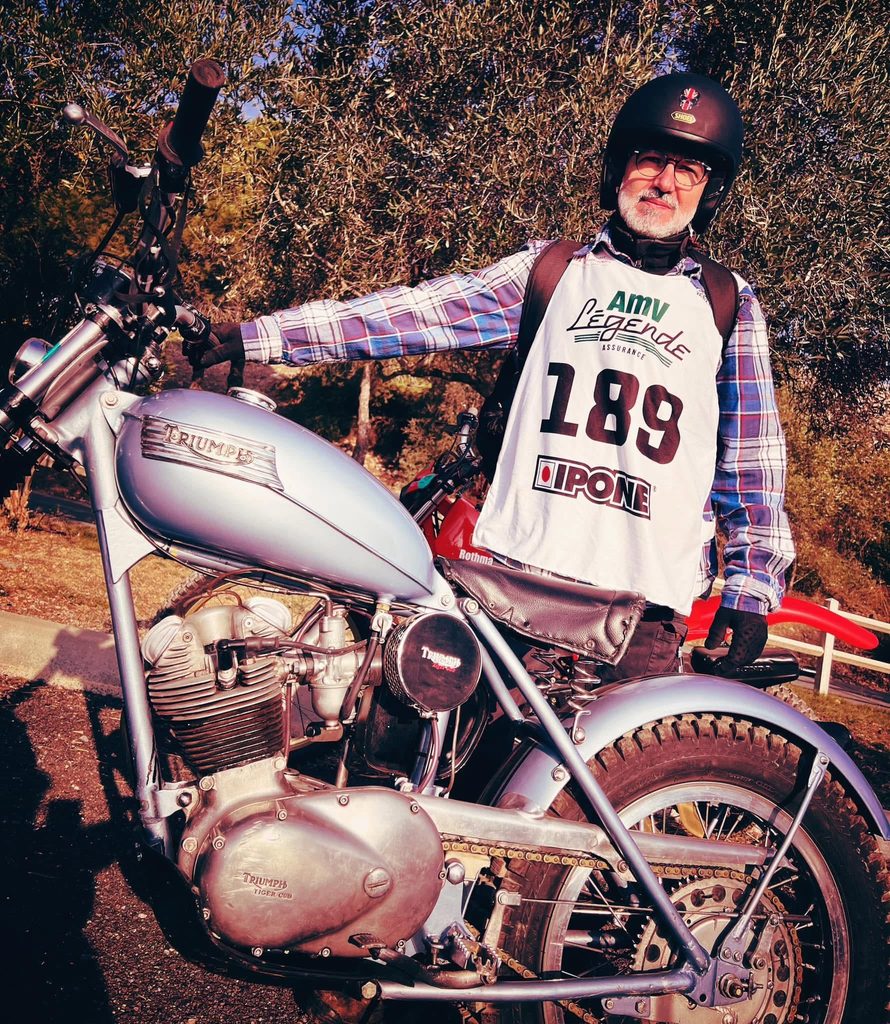
Two years ago, we spoke with the Scotsman Vince Mackintosh (click here to read that report); today, we want to get to know 60-year-old Frenchman Fred Brosset. Riding a rigid 1962 Triumph, he finds great satisfaction competing in the “Blue” class (known as “National” in France)—a high-level category surpassed only by “Red,” with “Green” and “Yellow” (the easiest) sitting below it.
He is not retired, unlike many pilots in this field. He still works as a carpenter and lives 50 km northwest of Paris, France.
When do you start in Trial?
I started Trial at the age of 25 and I rode modern bikes until the 2000s, then I switched to vintage on a Bultaco 199 A.
Why Trial? (family tradition, friends …)
As a child, every Sunday afternoon, a group of Trials riders passed by my windows. One day I decided to follow them into the forest and was amazed by what they were doing on a motorcycle.
Are you riding modern bike , too? Which?
I haven’t done modern trials since 2003.
Why this decision?
I drove to level S2. For me, the atmosphere and friendliness were not what I expected from a sport. Too elitist (you had to be at work on Monday morning), lacks the knowledge to live in the entrances of zones, too much waiting as well…
Which bikes did you ride, before discover the Rigid world?
Bultaco 199 A and 158, Butler Tempest 250.
How many competitions did you attend?
I have done a lot of competitions, championships, classics. Between training sessions, I do one race per month.
Why did you decide to try the Rigid adventure?
To return to the fundamentals. For me, vintage motorcycles are too “modern” and this raises the levels in competitions. I wanted to do the opposite, to prove that you can ride correctly with a low-performance motorcycle.
Is it you that prepare your bike? I mean you have good knowledge of any part of your bike, engine, frame, suspensions …
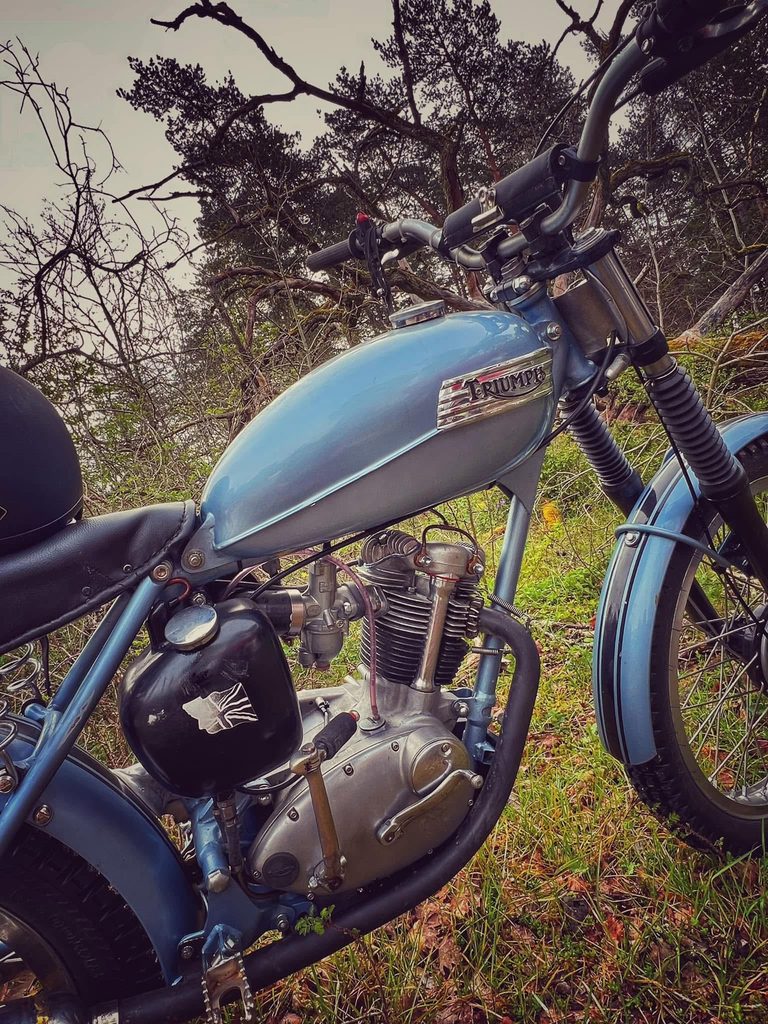
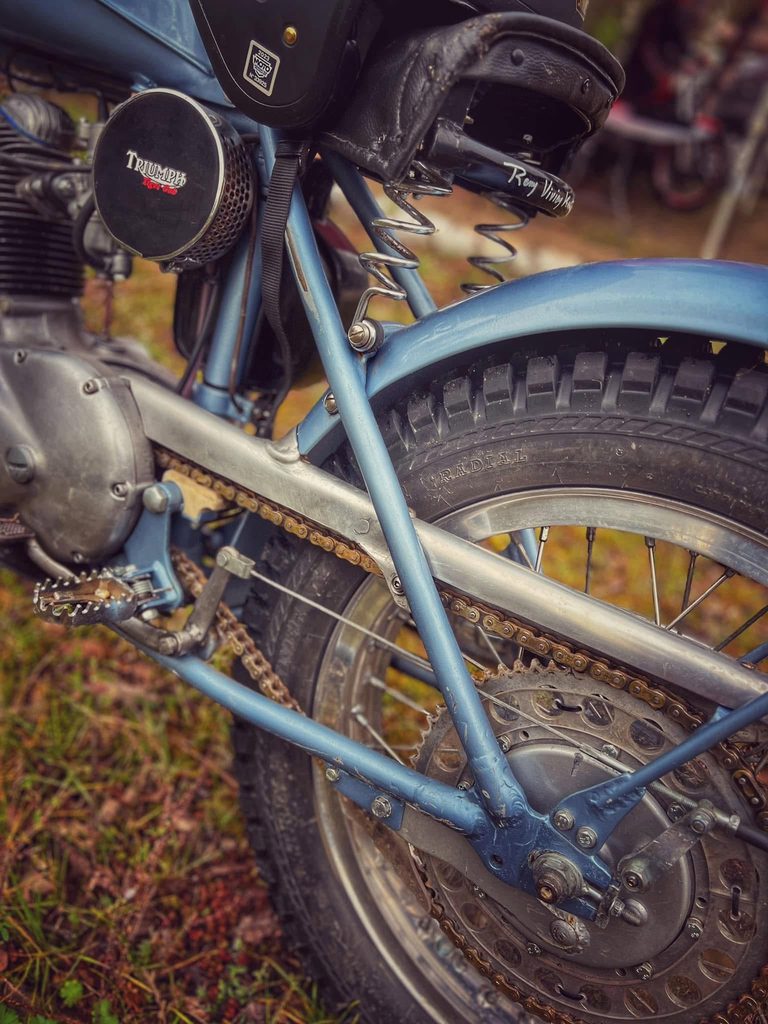
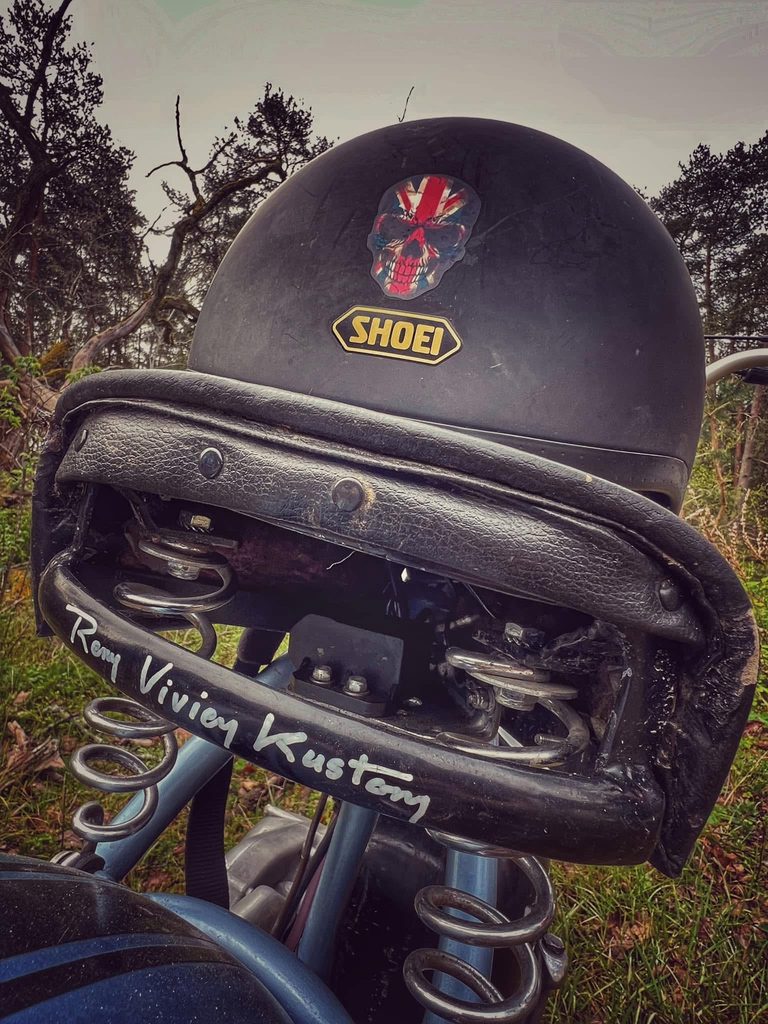
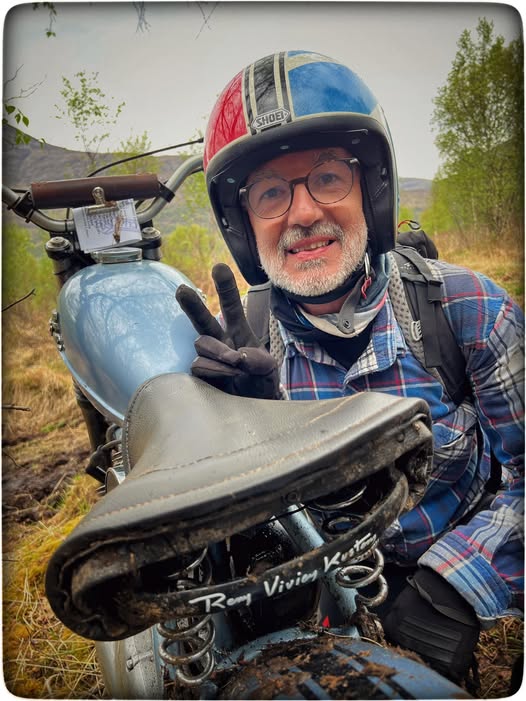
This bike was made from a road Triumph and modified into a rigid one by my friend Rémy Vivien. We worked on it for 2 years before riding, so needless to say that I know this bike very well. I take care of it alone and when I don’t know how to do it, I ask a friend for help.
Which were the better results on this bike?
I won a French championship round in the green category and an S3 race against modern motorcycles.
Any technical features of it, or modifications that you did?
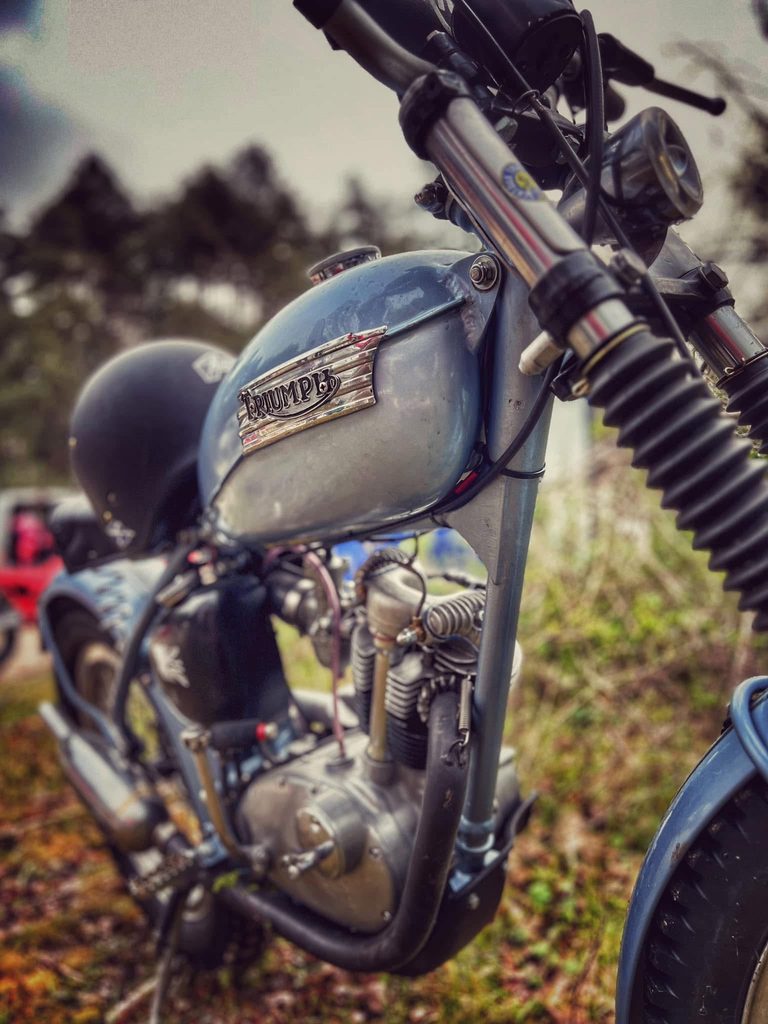
All the parts are original parts, even the tubes and cables of the frame. Engine 200 cm3, rear buckle stiffened, modified fork, original hubs and brakes, trial rims, engine shoe, chain case, brake pedal hand-made…
How was your pre65 Scottish?
For me, this race is the “Grail”. No one has not dreamed of riding Pipeline. The country and the people are fabulous. In terms of management, this is really not what we are used to doing in Europe, but that is precisely what is interesting. The interzone is very challenging with the rigid one and you arrive a bit worn out in the zones. Despite this, a lot of pleasure and pride to finish this mythical race.
What are your plans for the future?
I would love to go back to Scotland and would also like to go to Talmag in England. The Ventoux is one of the most beautiful races in the world and remains a must for riding with friends. Afterwards, I also have a lot of fun at Wingles in the north of France and in training with friends.
Do you have other hobbies?
Vintage trials are my only leisure activity because I still work, so I do not have much time. Between the trips and the maintenance of the motorcycle, there isn’t much space left for anything else.
Do you practice other sport?
No.
Are you going to gym for being in good fit to ride your bike?
My gym is my job. Carrying wood and tool boxes allows me to stay fit for riding a motorcycle on the weekend.
How do you see the future of Trials? Modern and vintage?
The modern Trials is going badly and that saddens me. I have an opinion but not necessarily the solution. I just noticed that getting into this sport is complicated for a young person. Budget, structure, field, in short, a lot of obstacles to access it. Vintage is doing better, but be careful: the participants are getting older, so be careful in the future. What I can say is that, whether modern or old, this sport is fabulous! Let’s not spoil it too much and make sure the bike is a pleasure for you…
photos by www.trial-club.com and Pb June
Spesso abbiamo affermato quanto il livello tecnico delle moto moderne abbia alzato l’asticella di quello che è possibile fare, restringendo però il campo delle persone che sono in grado di usarle al meglio.
Molto più fruibile invece l’approccio al Trial attraverso il mondo Vintage, fatto più di semplici spostamenti del corpo, rispetto al grande lavoro fisico richiesto per muovere la moto di forza o “palleggiare” sul retrotreno fra un ostacolo e l’altro.
Sono sempre più numerosi quelli che passano al Trial d’epoca, poco importa se poi le moto di allora sono state accuratamente modernizzate , sostituendo sia parti meccaniche – ahimè non visibili a eventuali controlli – sia spudoratamente forcelle, ammortizzatori, telai modificati.
Chi ricerca questo tipo di gare lo fa soprattutto per trovare spazi nelle zone per curvare, per affrontare gli ostacoli senza le manovre solite, acquisite dall’evoluzione.
E c’è chi va anche più indietro, per riportarci agli albori del nostro sport, quando le moto non avevano neanche gli ammortizzatori, quelle che nel gergo vengono chiamate rigide.
Due anni fa abbiamo scambiato due parole con lo scozzese Vince Mackintosh, (clicca qui per rileggerlo) oggi invece vogliamo conoscere meglio il sessantenne francese Fred Brosset che cavalcando una Triumph del 1962 rigida, si prende grosse soddisfazioni nel livello blu (National in Francia), praticamente più alto c’è solo il rosso, mentre sotto abbiamo il verde e il giallo (il più facile).
Non è in pensione come molti piloti di questa branca. Lavora ancora come falegname e vive a 50 km a nord-ovest di Parigi, in Francia.
Quando hai iniziato a praticare il Trial?
Ho iniziato a 25 anni e ho guidato moto moderne fino agli anni 2000; poi sono passato alle moto d’epoca, scegliendo una Bultaco 199 A.
Perché proprio il Trial? (tradizione di famiglia, amici…)
Da bambino, ogni domenica pomeriggio, un gruppo di trialisti passava davanti a casa mia. Un giorno decisi di seguirli nel bosco e rimasi affascinato da ciò che riuscivano a fare in sella alla moto.
Guidi anche moto moderne? Quali?
Non pratico il trial moderno dal 2003.
Come mai questa scelta?
Ho gareggiato fino al livello S2. Per me, l’atmosfera e lo spirito di amicizia non erano all’altezza di ciò che mi aspetto da uno sport. Troppo elitario (bisognava essere al lavoro il lunedì mattina), mancava una corretta gestione all’ingresso delle zone e c’erano troppe code …
Che moto guidavi prima di scoprire il mondo delle moto a telaio rigido?
Bultaco 199 A e 158, Butler Tempest 250.
A quante gare hai partecipato?
Ho preso parte a molte competizioni, campionati e gare classiche. Oltre agli allenamenti, partecipo a una gara al mese.
Perché hai deciso di intraprendere l’avventura con le moto a telaio rigido?
Per tornare alle origini. Per me, le moto d’epoca sono troppo “moderne” e questo alza il livello competitivo delle gare. Volevo fare l’opposto: dimostrare che si può guidare correttamente anche con una moto dalle prestazioni limitate.
Sei tu a preparare la moto? Intendo dire, conosci a fondo ogni sua parte: motore, telaio, sospensioni…?
Questa moto è stata realizzata partendo da una Triumph stradale e trasformata in un modello a telaio rigido dal mio amico Rémy Vivien. Ci abbiamo lavorato per due anni prima di usarla, quindi è superfluo dire che la conosco molto bene. Me ne occupo personalmente e, quando non so come procedere, chiedo aiuto a un amico.
Quali sono stati i tuoi migliori risultati con questa moto?
Ho vinto una prova del campionato francese nella categoria “Verdi” e una gara S3 contro moto moderne.
Quali sono le sue caratteristiche tecniche e le modifiche che hai apportato?
Tutti i componenti sono originali, inclusi i tubi e i cavi del telaio. Motore da 200 cc, telaietto posteriore rinforzato, forcella modificata, mozzi e freni originali, cerchi da Trial, paracoppa, carter catena, pedale del freno realizzato artigianalmente…
Com’è andata la tua esperienza alla Scottish Pre-65?
Per me, questa gara è il “Santo Graal”. Chi non ha mai sognato di affrontare la “Pipeline”? I paesaggi e le persone sono fantastici. L’organizzazione è molto diversa da quella a cui siamo abituati in Europa, ma è proprio questo l’aspetto interessante. Il trasferimento è molto impegnativo con una moto a telaio rigido e si arriva alle zone un po’ provati. Nonostante ciò, è stato un grande piacere e motivo di orgoglio portare a termine questa gara leggendaria.
Quali sono i tuoi progetti per il futuro?
Mi piacerebbe molto tornare in Scozia e vorrei partecipare anche al Talmag in Inghilterra. La gara del Ventoux è una delle più belle al mondo e rimane un appuntamento imperdibile per divertirsi in compagnia degli amici. Inoltre, mi diverto molto a Wingles, nel nord della Francia, e durante gli allenamenti con gli amici.
Hai altri hobby?
Il Trial d’epoca è la mia unica attività ricreativa, lavoro ancora, quindi non ho molto tempo. Tra le trasferte e la manutenzione della moto, non resta molto spazio per altro.
Pratichi altri sport?
No.
Vai in palestra per mantenerti in forma per la guida?
La mia palestra è il lavoro. Trasportare legna e cassette degli attrezzi mi permette di restare in forma per guidare la moto nel fine settimana.
Come vedi il futuro del trial? Sia moderno che d’epoca?
Il Trial moderno non se la passa bene e questo mi rattrista. Ho un’opinione in merito, ma non necessariamente la soluzione. Ho solo notato che avvicinarsi a questo sport è complicato per un giovane: budget, strutture, campi di gara… insomma, ci sono molti ostacoli all’ingresso. Il Trial d’epoca se la cava meglio, ma attenzione: i partecipanti stanno invecchiando, quindi bisogna fare attenzione al futuro. Quello che posso dire è che, sia moderno sia d’epoca, questo sport è fantastico! Non roviniamolo troppo e assicuriamoci che la moto sia un piacere per chi la guida …
foto di www.trial-club.com e Pb June